Forest of Solitude
The project was for a class called Fortress of Solitude in which the one and only assignment was to use Unreal Engine to create our own personal Fortress of solitude. This short video is the final product I presented.
Visual Style & Concept
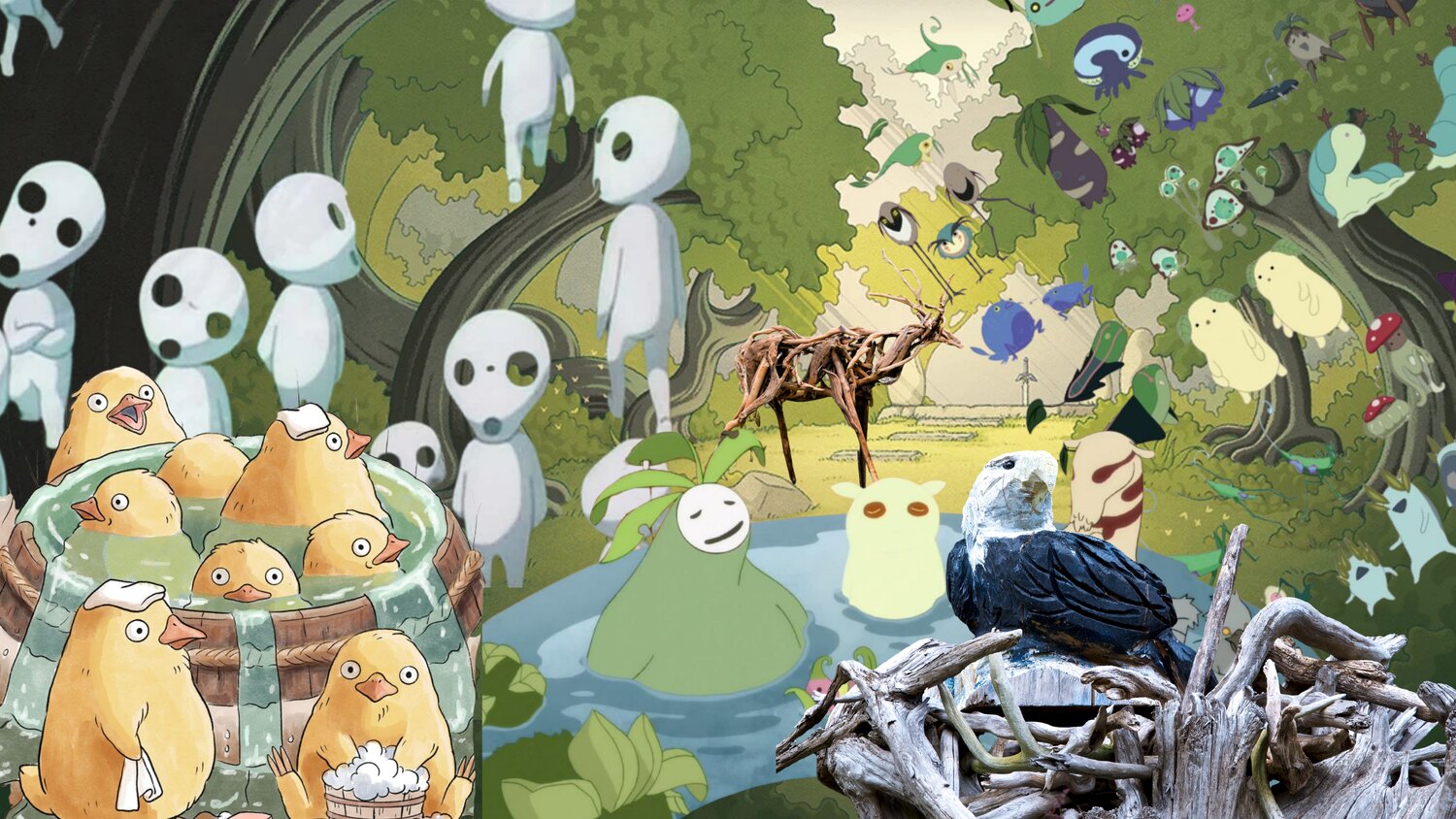
This was the first style reference I put together. The unifying theme of this project was "spirits." This is a spirit forest full of beings of all shapes and sizes. Although it's my "Fortress of Solitude," there's actually a whole community of non-human entities.
The style draws heavily on Studio Ghibli, but my single greatest inspiration was actually the spirits and spirit world of Avatar: The Legend of Korra. Along with the Japanese and greater Asian inspired elements, I wanted to bring in the folk culture of the Pacific Northwest, as represented by the wood sculptures and the masks featured later on.
The Map
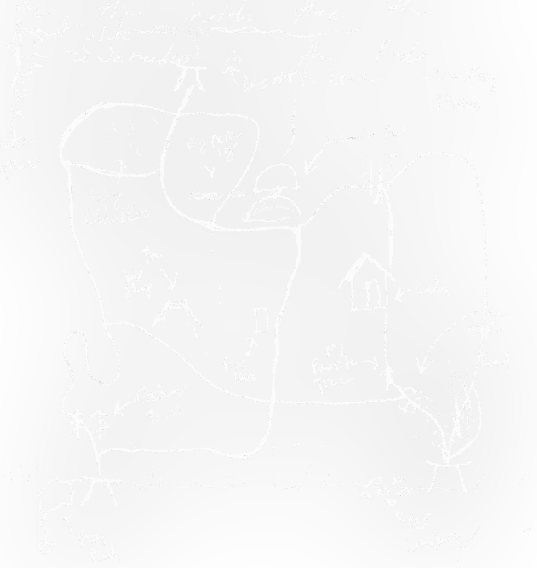
I drew the map on the right from memory, based on the forest behind my house. Most of the things on it are real, some are imagined.
This drawing served as the blueprint for the rest of the project, and the world I built closely reflects its geometry.
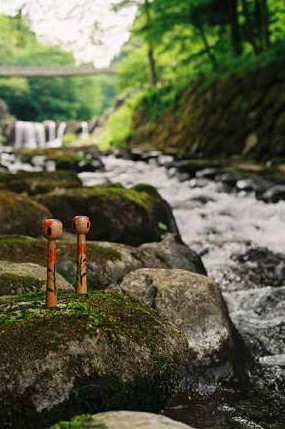
The image on the left is a photo I took of two Kokeshi dolls I bought in Tsuchiyu Onsen in Fukushima Prefecture. This image served as the vibe guide for the rest of the project.
Flora
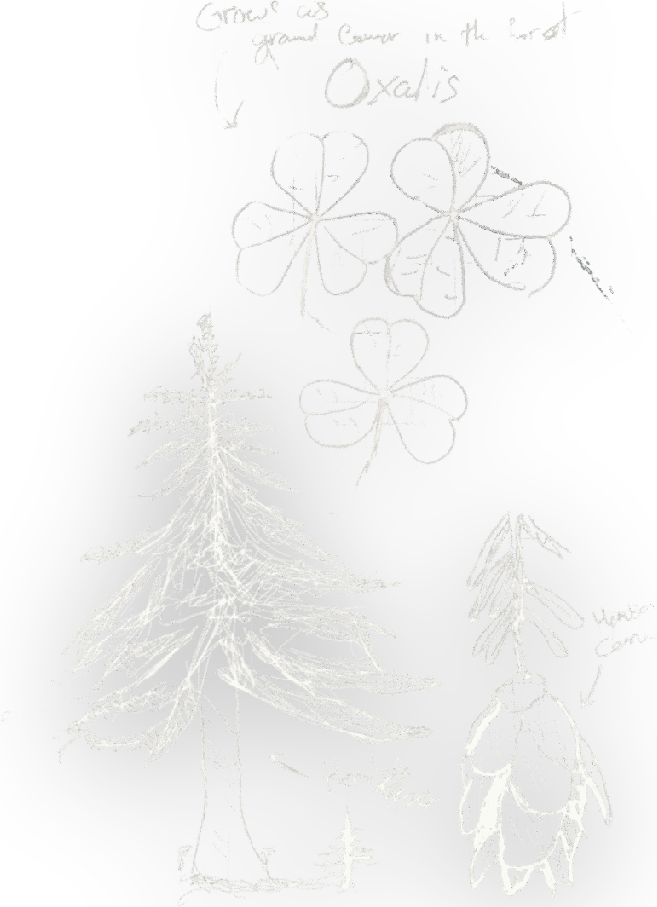
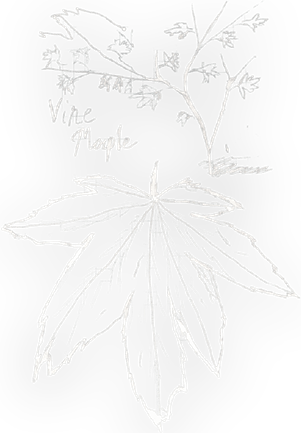
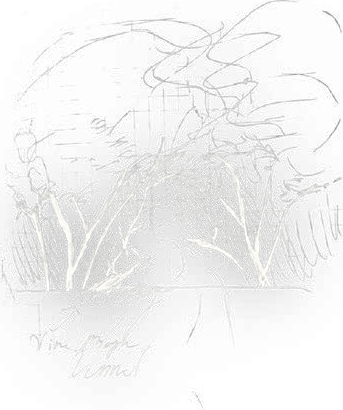
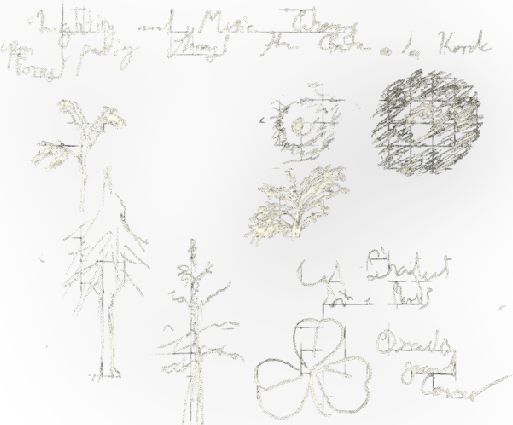
Trees, ground cover, and other plants are a key part of any northwest forest. I sketched several recognizable species I wanted to include in the world.
The oxalis as ground cover as well as the vine maple tunnel were both included in the final video, alongside later additions such as red huckleberry, pacific bleeding heart, and several types of mushroom.
Gates
Gates act as ceremonial thresholds in many cultures. In the Shinto traditions Torii gates represent a border between the normal world and places of spiritual significance. I knew from the beginning I wanted to include a gate at the entrance of my forest.
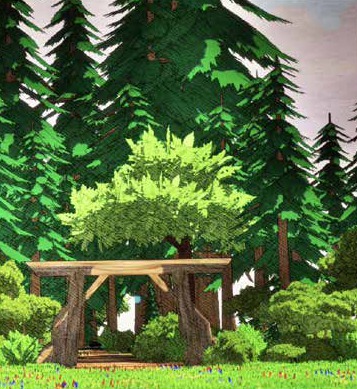
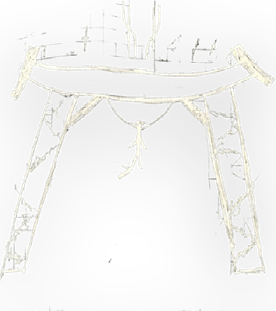
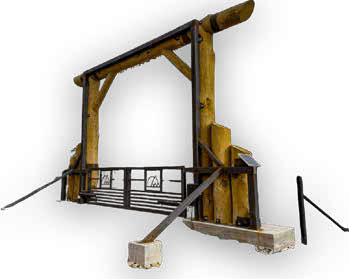
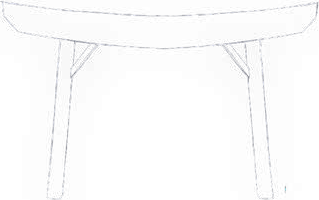
Initially my sketches leaned heavily into the Torii influence, but these versions felt too out of place in my setting. While looking for more distinctly American influences to draw from I came across the image of a ranch gate in the top right. Like Torii, ranch gates, which can be found all across America, serve as a purely symbolic threshold.
This sturdier unpainted form fit better in my northwest environment and served as the main inspiration for the final version. Perhaps someday I will build a real version of this gate.
The Big Rock
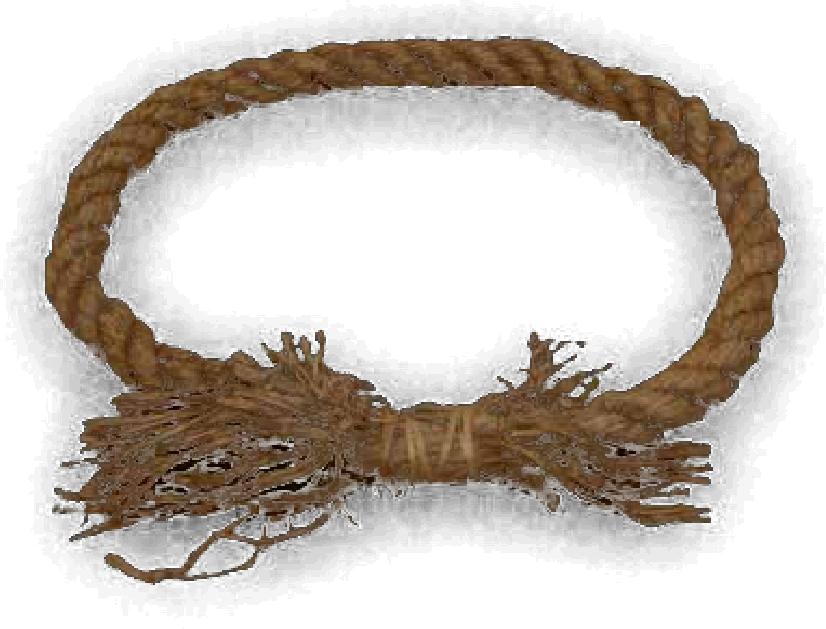
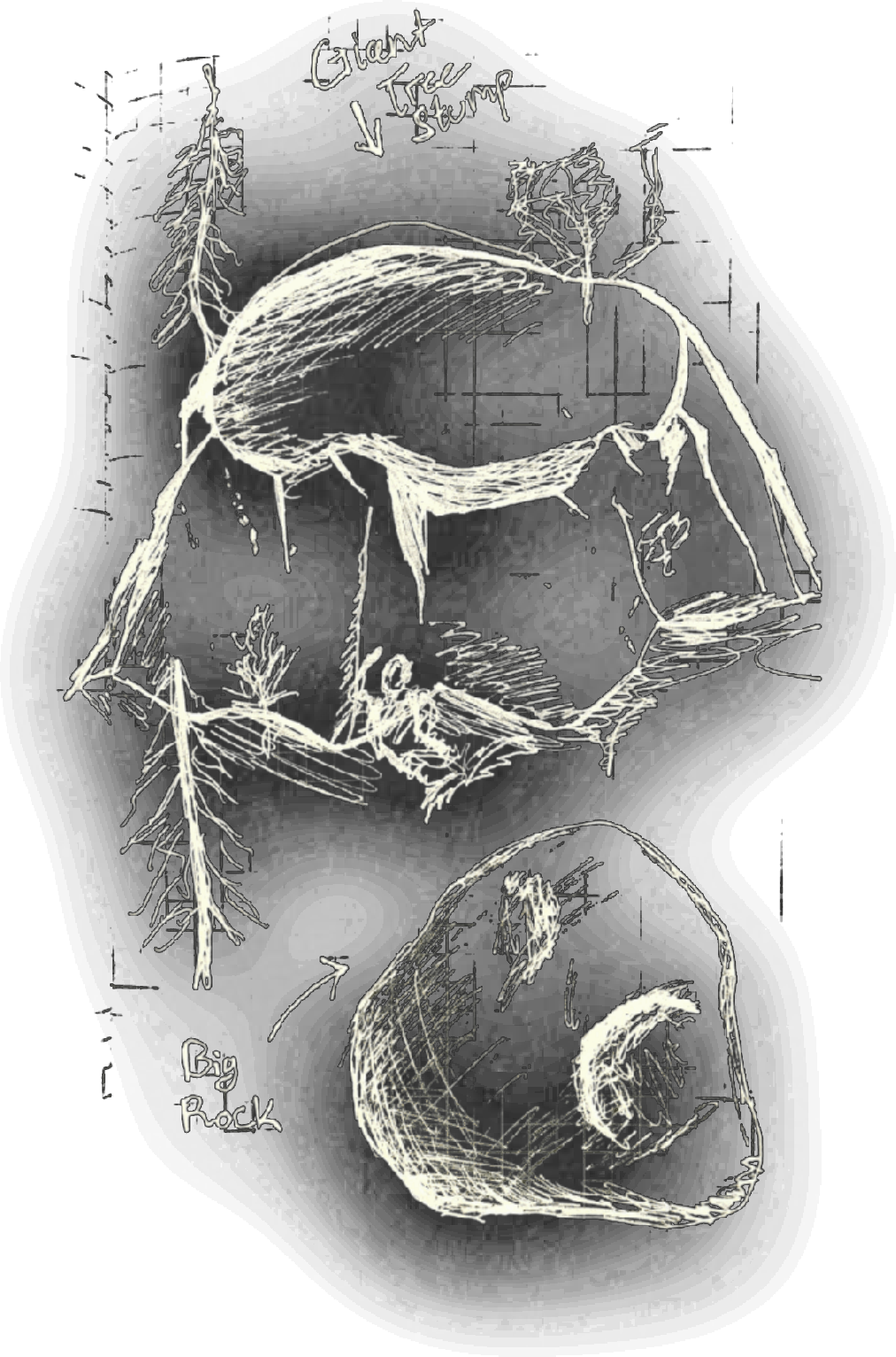
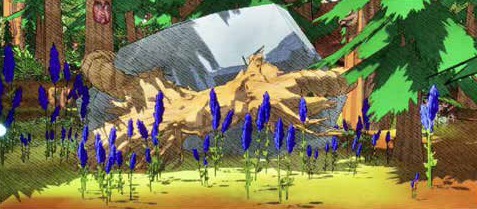
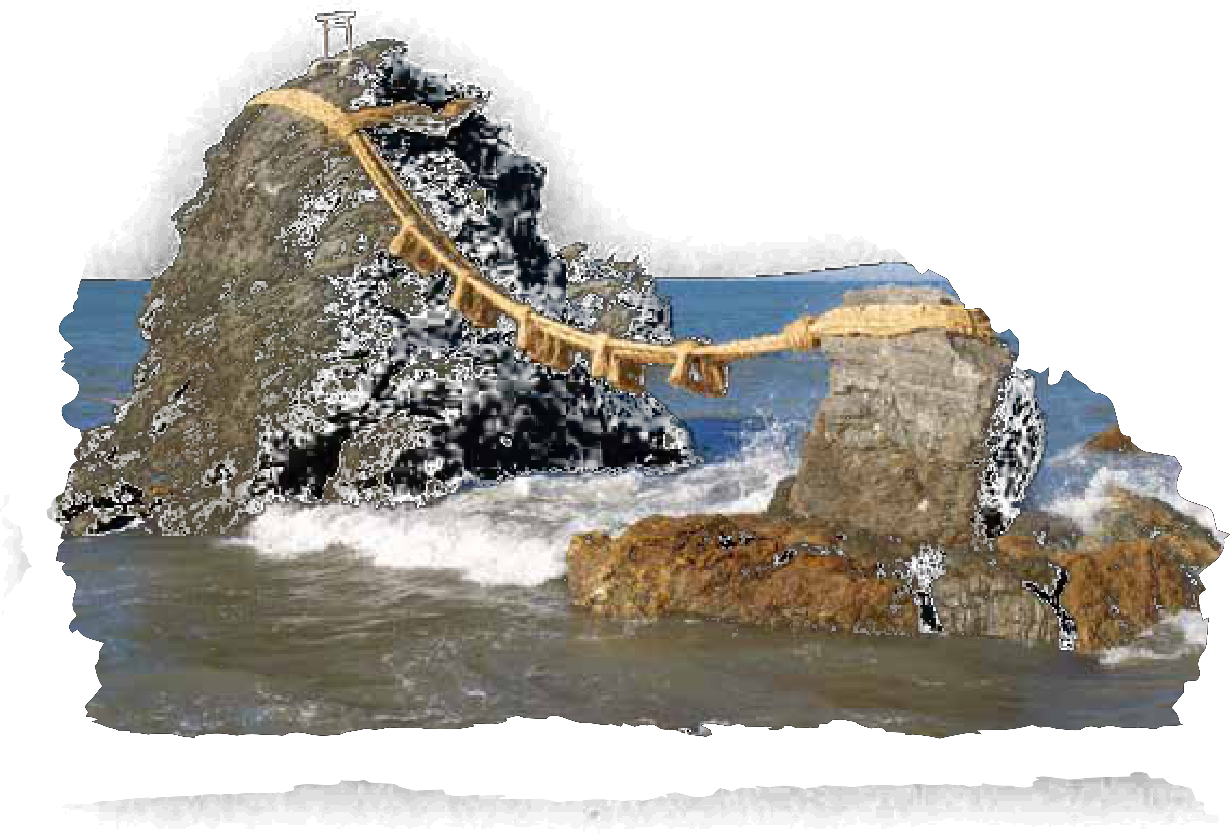
There is not a big rock in this part of the forest, but there is one further up the hill. Animist traditions hold that everything, including rocks and trees, is inhabited by spirits. In Japan it's common for particularly significant rocks or trees to be bound with straw ropes.
Drawing on this motif I made a 3D model of the cedar bark rope to the left, a product of Northwest Salish culture, and draped it on the boulder which serves as the destination of the waif in my movie.
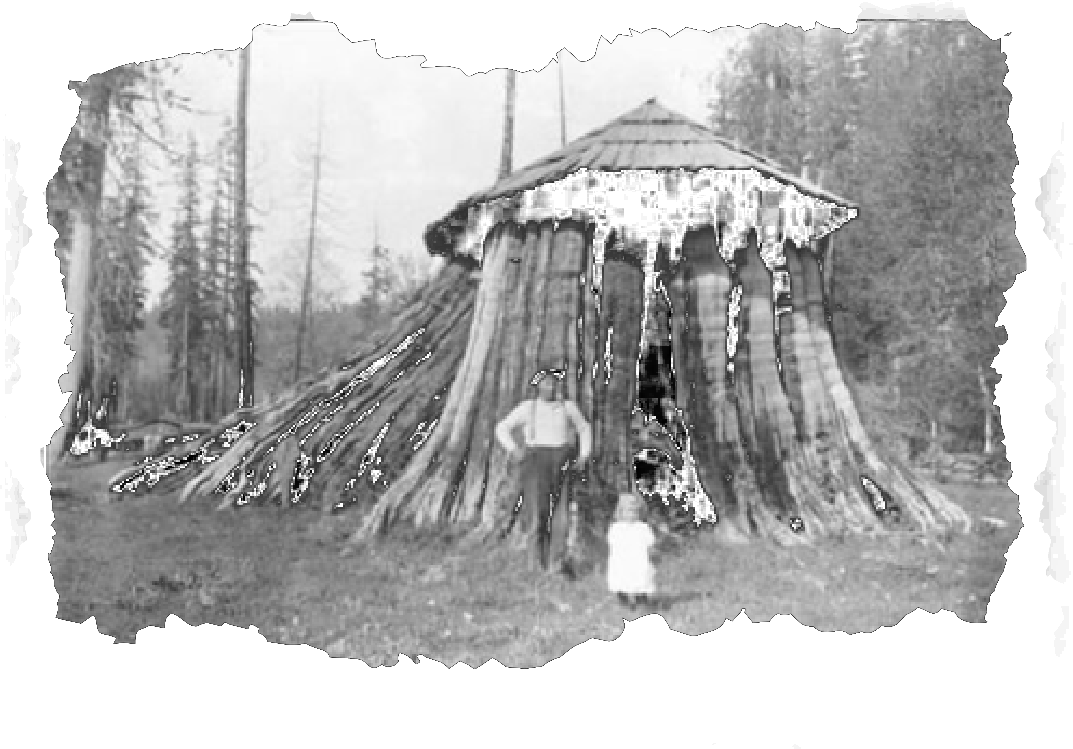
A particularly large stump, of which there are plenty, is also featured in the static shots at the end. Massive stumps in northwest forests serve as reminders of the massive trees that existed before logging destroyed most of the old growth in the region. The image on the bottom right is just one example, and a reminder that reality can often be more whimsical than it's given credit for.
Statues
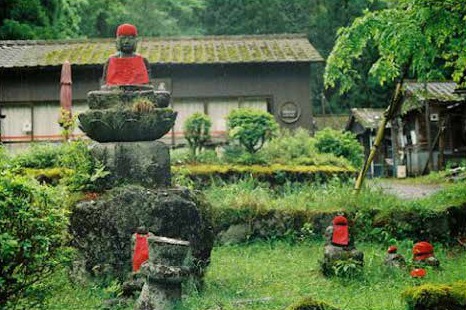
In Japan it's common to find statues of Jizo, the guardian of travelers and children, along the side of the road. Their presence and signature red bibs and caps offer a comforting reminder that you are not alone on your journeys.
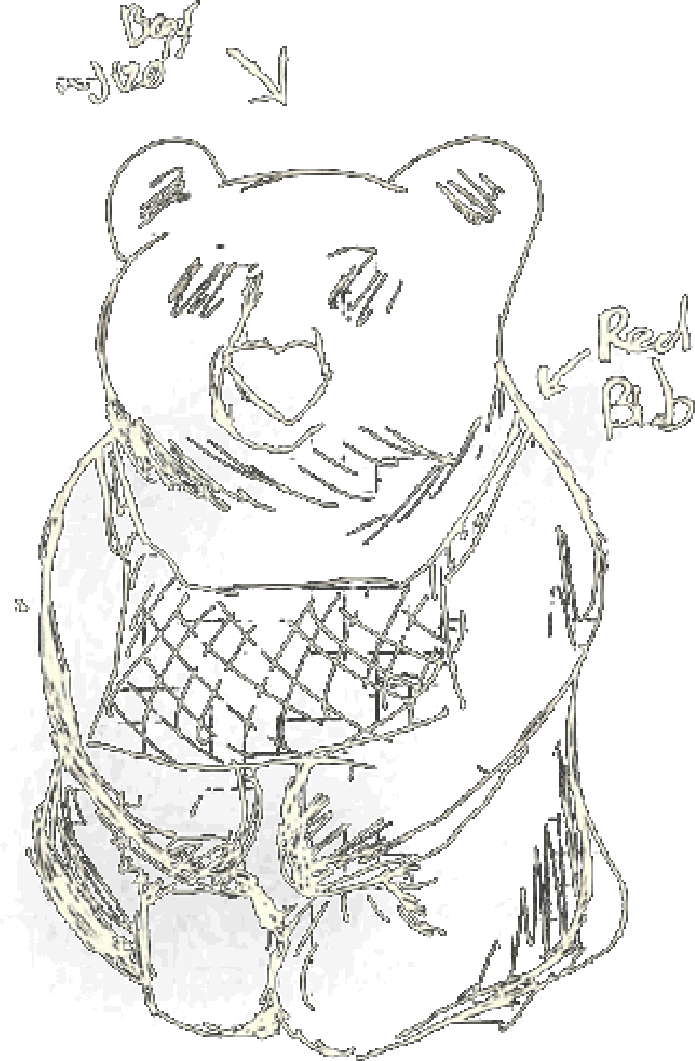
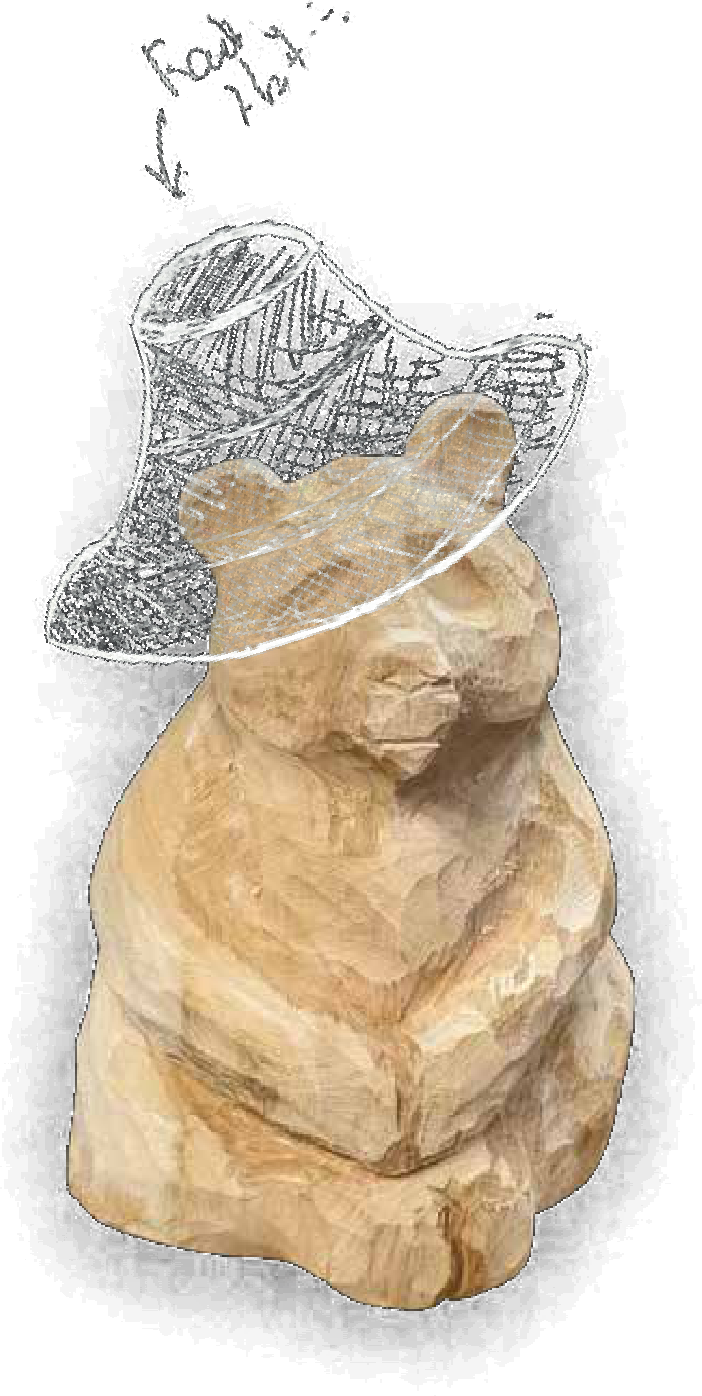
Wanting to recreate this presence I thought about what our northwest equivalent would be. Chainsaw art is common in the Pacific Northwest, where stumps and logs are carved into figures like Sasquatch or other creatures.
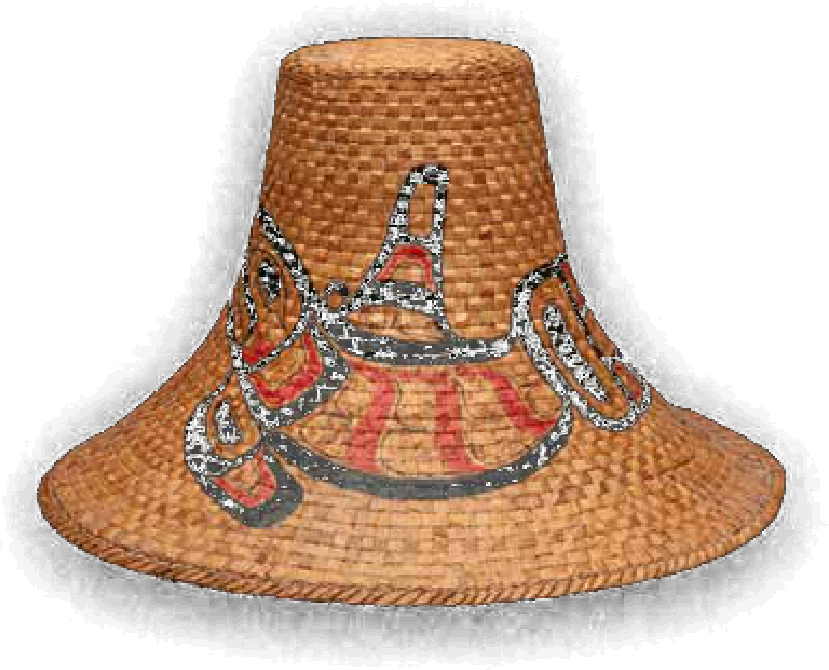
I settled on bears as the natural analog to Jizo, partially in reference to Smokey, one of our local deities and guardian of the forests. I gave the bears red bibs as well, but also adorned one with a cedar bark rain hat as a nod to the culture of the Pacific Northwest.
Masks
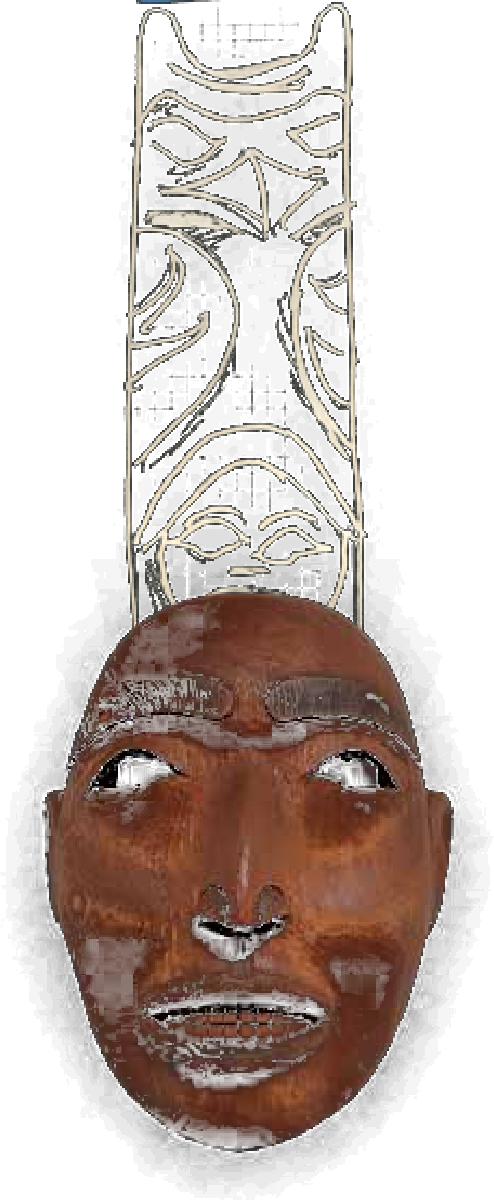
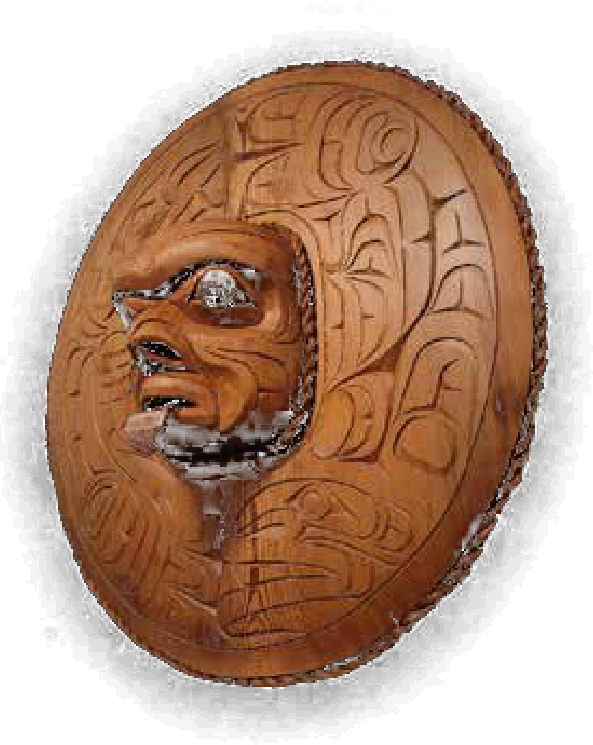
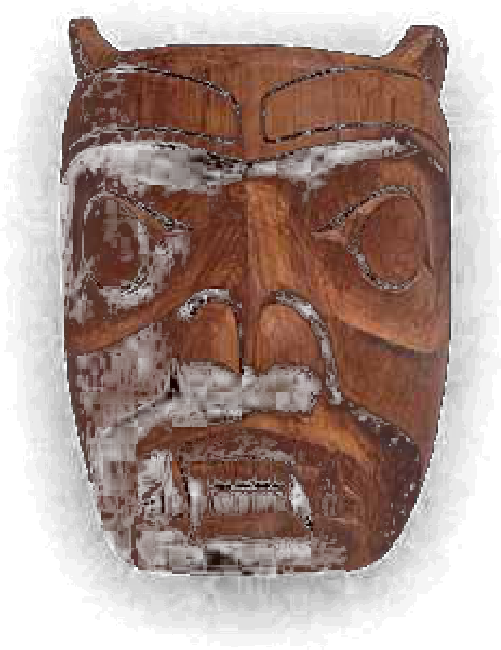
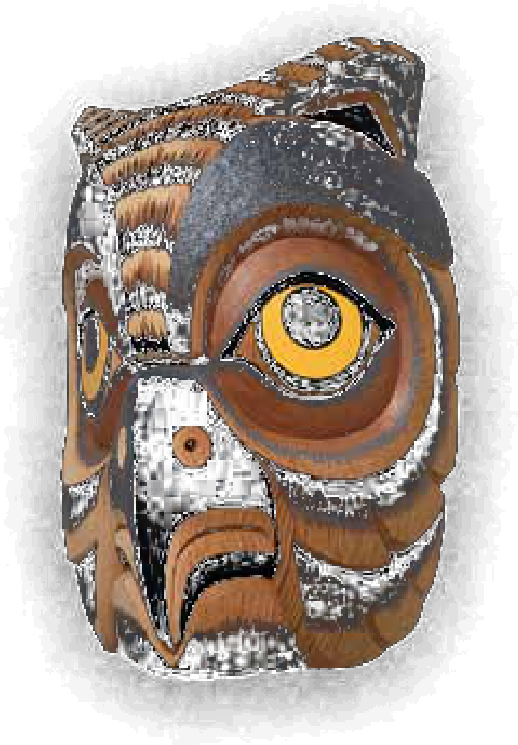
Masks are one of the most iconic elements of Coast Salish culture in the Pacific Northwest, and they served as the obvious watchful spiritual presence I wanted to inhabit my forest. I bound each one to a tree or stump to represent the spirits of the trees, although each mask obviously represents its own creature or character.
I took these images directly from spiritsofthewestcoast.com, where information on the original artists who created them can be found. These are all contemporary creations, which speaks to the living tradition carried by these masks.
The Cabin
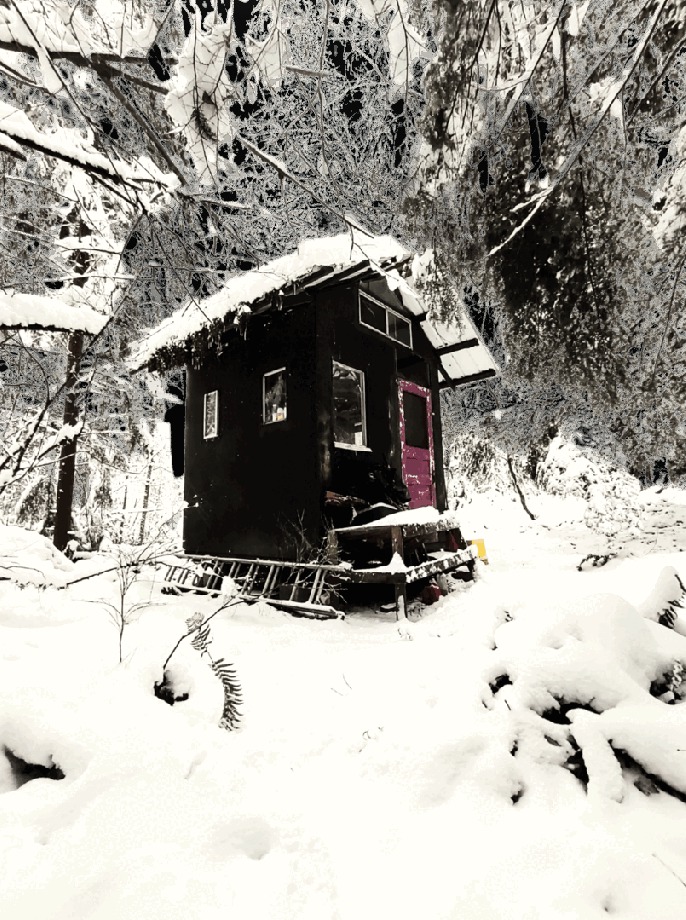
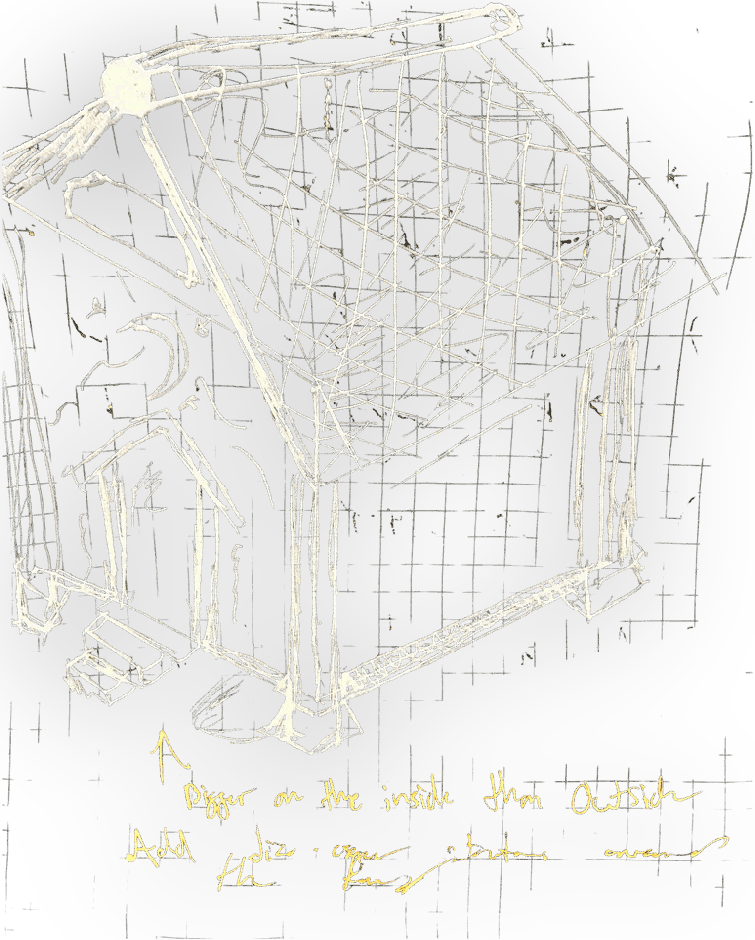
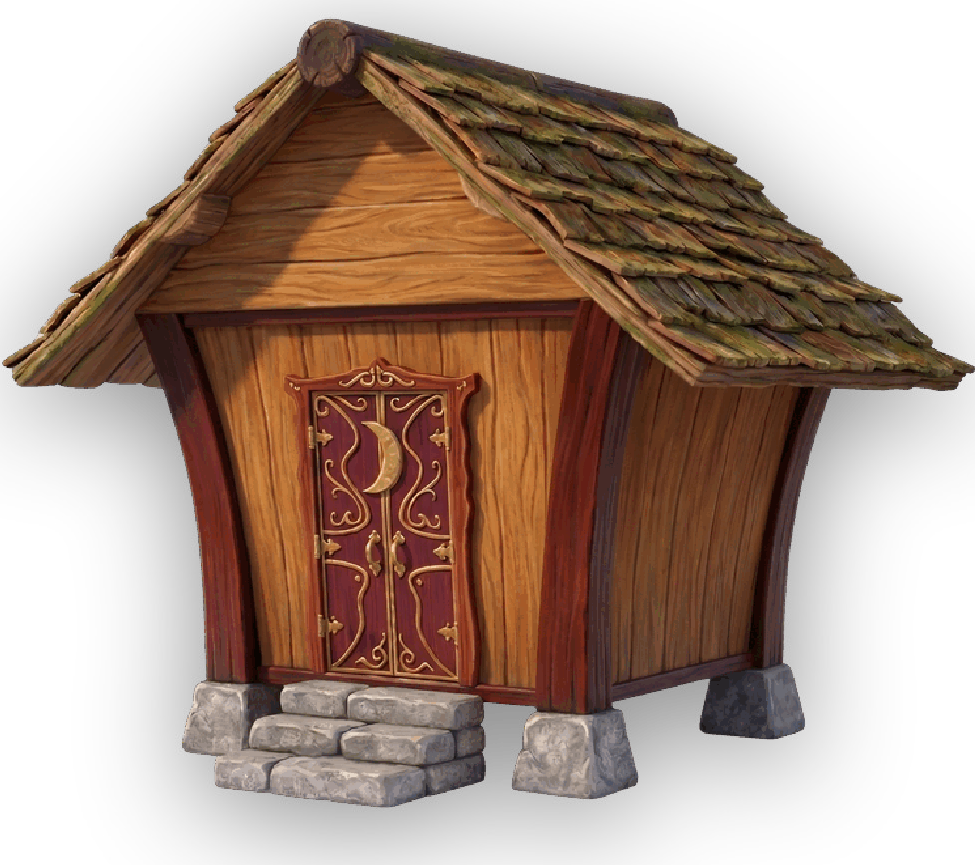
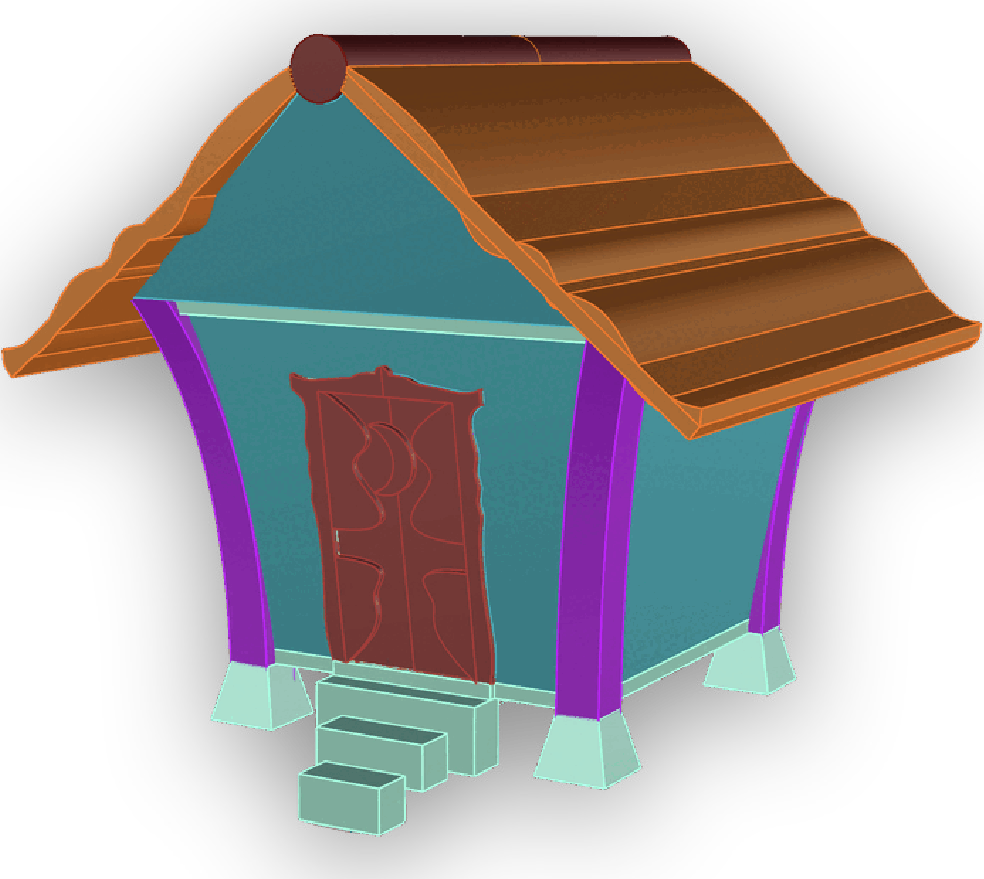
The cabin really does exist, as evidenced by this picture on a snowy day. It's a simple structure made of composite board and sheet roofing, so I wanted to reimagine it as something a little more fantastical. After an initial sketch I modeled it in Rhino, and gave a screenshot of it to Gemini's Nano Banana. I described the style and materials I wanted, and then gave the model I created and the image from Gemini to Meshy to create the texture. I intentionally made the dimensions of the cabin strange but technically possible to build, as someday maybe this too will be realized.
Spirits
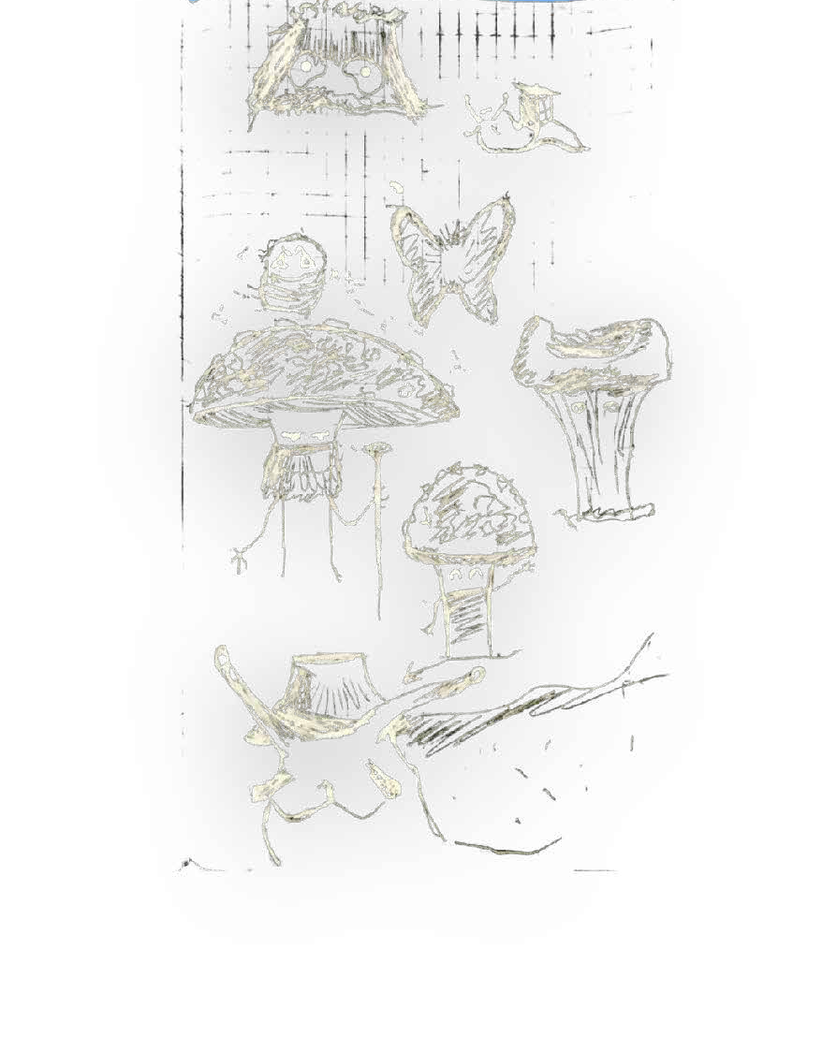
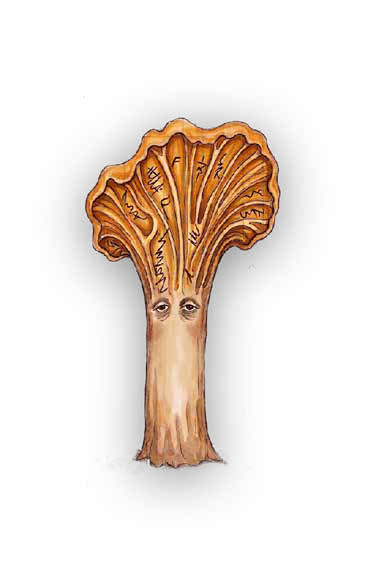
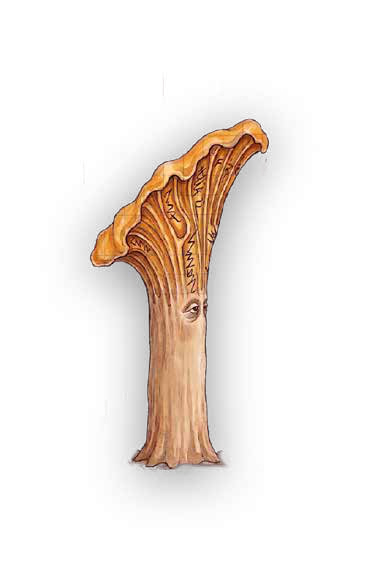
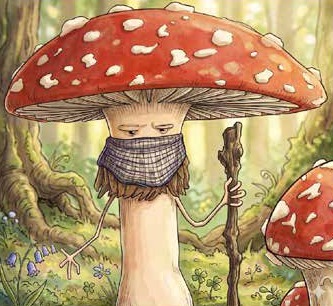
The heart of this project was the spirits that inhabit the forest. Because of the challenges of modeling and animation, only a few of the original ideas made it into the final version, but I decided to focus on the mushroom spirits.
To create them I first made sketches by hand in my notebook, which I fed into Gemini to create the images on the left. When I was satisfied with the style and output it created, I gave these images to Meshy to create the 3D model and textures. The Chanterelle gentleman I rigged and animated by hand, whereas the Amanita Adventurer was animated via Meshy.
Forest Scene